
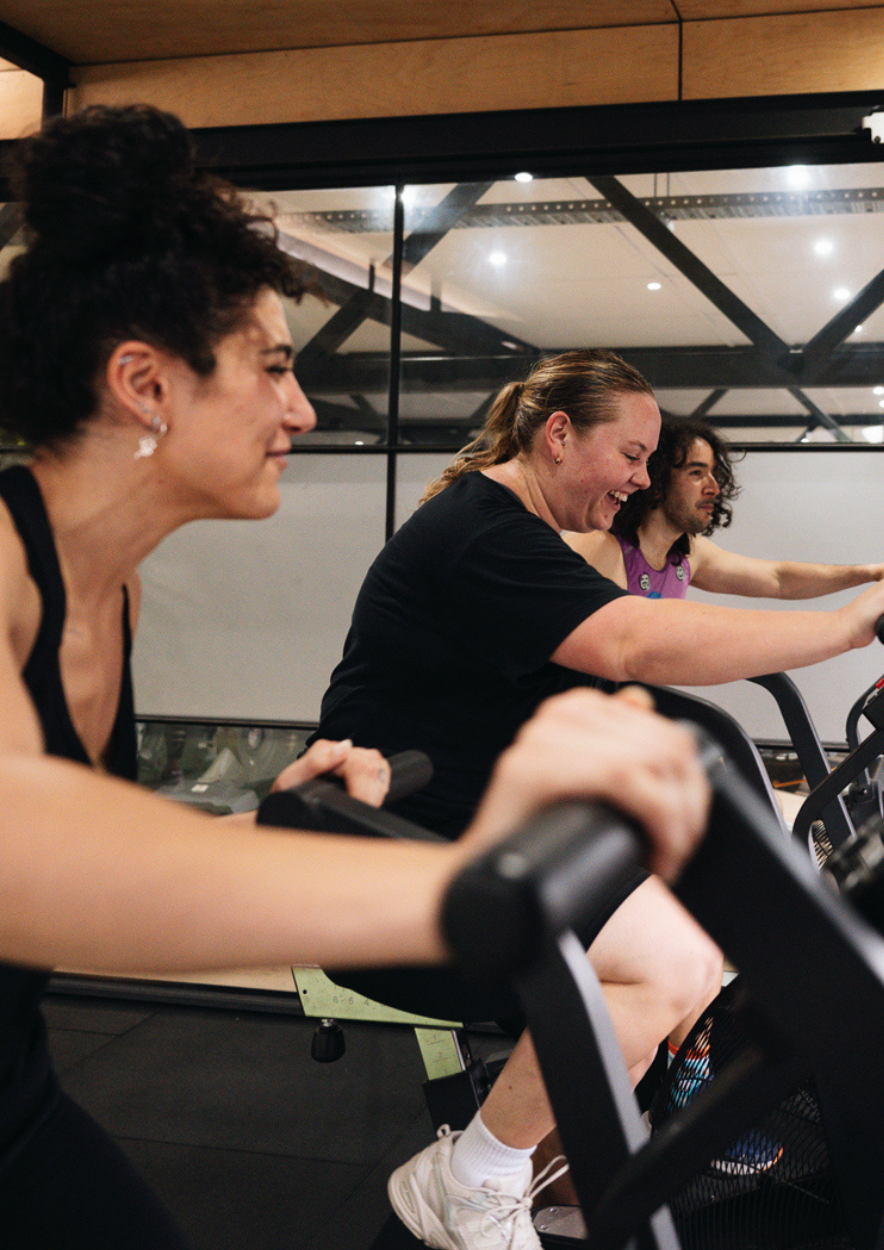
If you’ve walked down Glenferrie Road lately, you’ll have noticed the signs. The cafés are full of laptops and there’s a lot more coffee being ordered to go. Exam season has arrived in Hawthorn.
For high schoolers, VCE written exams run from Monday 26 October to Wednesday 18 November. And just up Burwood Road, Swinburne’s Semester 2 final assessment period runs from Friday 6 November to Saturday 21 November.
We’ve been on Burwood Road since 1984, which means we’ve watched hundreds of exam seasons come and go. Over the years we’ve seen the same pattern every time. When the pressure builds, students drop everything except study. Sleep goes first, then exercise, then any time spent outside, then social lives, too. The research backs this up: ReachOut Australia found that 88% of young people reported feeling stressed about exams, and more than half of those surveyed said that stress was affecting their sleep.
The good news is that a few simple habits make a real difference. Here are the three our trainers would focus on.

1. Treat sleep as part of your study plan
A late-night cram can feel productive, but sleep is when your brain does its filing. Australia’s national guidelines recommend that young people aged 14 to 17 get 8 to 10 hours of uninterrupted sleep, and adults 7 to 9 hours of good quality sleep, with consistent bed and wake-up times.
Caffeine is often the first fix students reach for, and Glenferrie Road certainly makes that easy. But when SBS reported on Year 12 study stress, some students found using caffeine for late-night study sessions was counterintuitive - laving them nauseous and unable to concentrate.
Trainer tips: Set a regular ‘lights out’ time, even during exam preparation periods. Keep your coffee run to the morning. Give yourself a screen-free buffer before bed, since many guidelines suggest avoiding screen time for at least an hour before sleep.
2. Move in short bursts between study blocks
You don’t need a two-hour gym session to get a mental boost. A meta-analysis of mostly laboratory studies showed a small but positive effect of a single bout of exercise on executive function, meaning attention, planning and inhibition, and a more recent study suggested a 10-minute bout may enhance memory. Breaks themselves matter too. A 2025 study found that incorporating micro-breaks may enhance students’ engagement and academic achievement. ANU’s advice to students sums it up neatly: exercise can help reduce stress levels, boost mood, and improve cognitive function.
For high schoolers, the national guidelines recommend at least 60 minutes of moderate to vigorous activity every day, and it doesn’t have to be all at once, since several shorter sessions through the day work too.
Trainer tip: Study for 45 to 60 minutes, then move for 10. Take a lap of one of Hawthorn’s many beautiful parks, walk a stretch of the Yarra trail, or do a few sets of squats and push-ups beside your desk. If you’re studying near Swinburne, the 75 tram will get you down Burwood Road to us in a few minutes, and a quick session between subjects is one of the best breaks you can take. Not sure how to get the most out of a shorter session? Book a program and let one of us show you.

3. Don’t quit training. Turn it down instead.
When exams hit, the gym is often one of the first things cut. A UNSW engineering student summed it up on the university’s blog: exercise is one of the easiest things to drop, especially since most sports seasons end just as exams begin. The research suggests that’s backwards. Harvard Health explains that exercise can boost memory and thinking indirectly by improving mood and sleep and reducing stress and anxiety, which is exactly what exam season puts under pressure. Researchers studying students through stressful study periods concluded that activity levels should be maintained in times of high stress to prevent negative effects on sleep, well-being and mood.
It also doesn’t take much. ANU pointed out that regular physical activity, at least 20 minutes of aerobic exercise 3–4 times per week, is believed to act as a stress buffer that reduces anxiety leading into exams. There’s a bonus tip in there, too. That research suggests that time away from study while exercising has stronger calming effects than exercising while still thinking about the exams, particularly for highly anxious people. So leave the flashcards in the locker and give your brain a genuine break.
Students notice the difference themselves. Speaking to ABC’s Behind the News, one said they deal with stress through exercise, while another said social sport helps because you’re forced to stop thinking about the stress.
Trainer tip: This isn’t the time to chase PBs. Go into maintenance mode, with shorter sessions, familiar exercises and lighter weights - particularly if you’re running on less sleep. Our group training classes are a great option here because the trainer does the planning and you get some social time. If you’d rather train solo, book a free program with one of our fitness professionals and we’ll put together a short exam-season routine for you. Experts writing in The Conversation suggest setting aside a specific time of day for exercise or a walk, so lock your session into your study timetable like any other commitment.
Keep it in perspective
A moderate level of stress is normal, and some pressure may even be useful, but too much worry about exams can affect both performance and overall wellbeing. If it’s starting to feel like too much, talk to someone you trust.
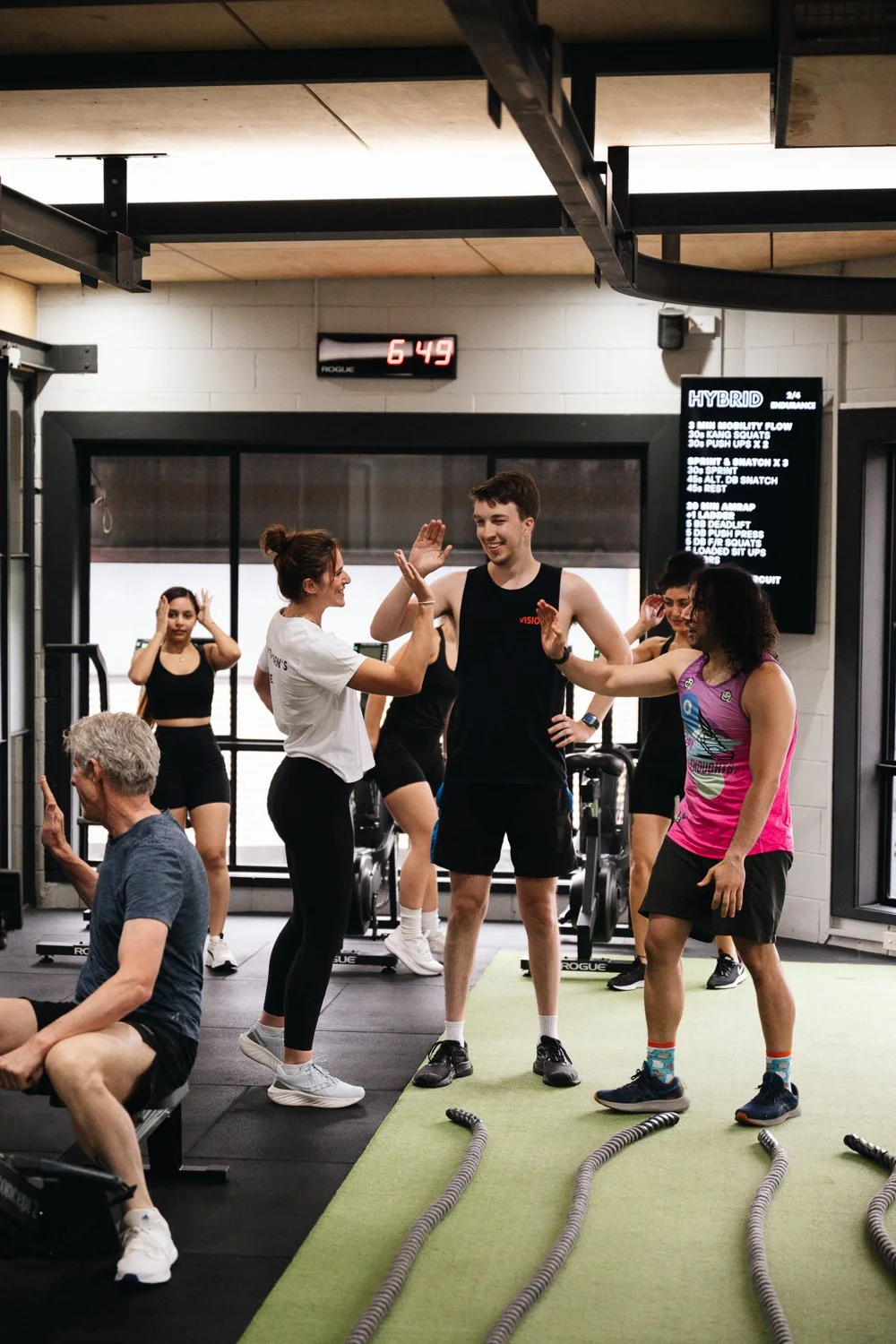
And when the last exam is done, we’ll be here. We’re open 5am to midnight, 365 days a year, so whether you’re squeezing in an early session before a 9am paper or need to burn off some nerves late at night, there’s always room at Visions.
Good luck to every Swinburne and VCE student in Hawthorn this season. You’ve got this.