
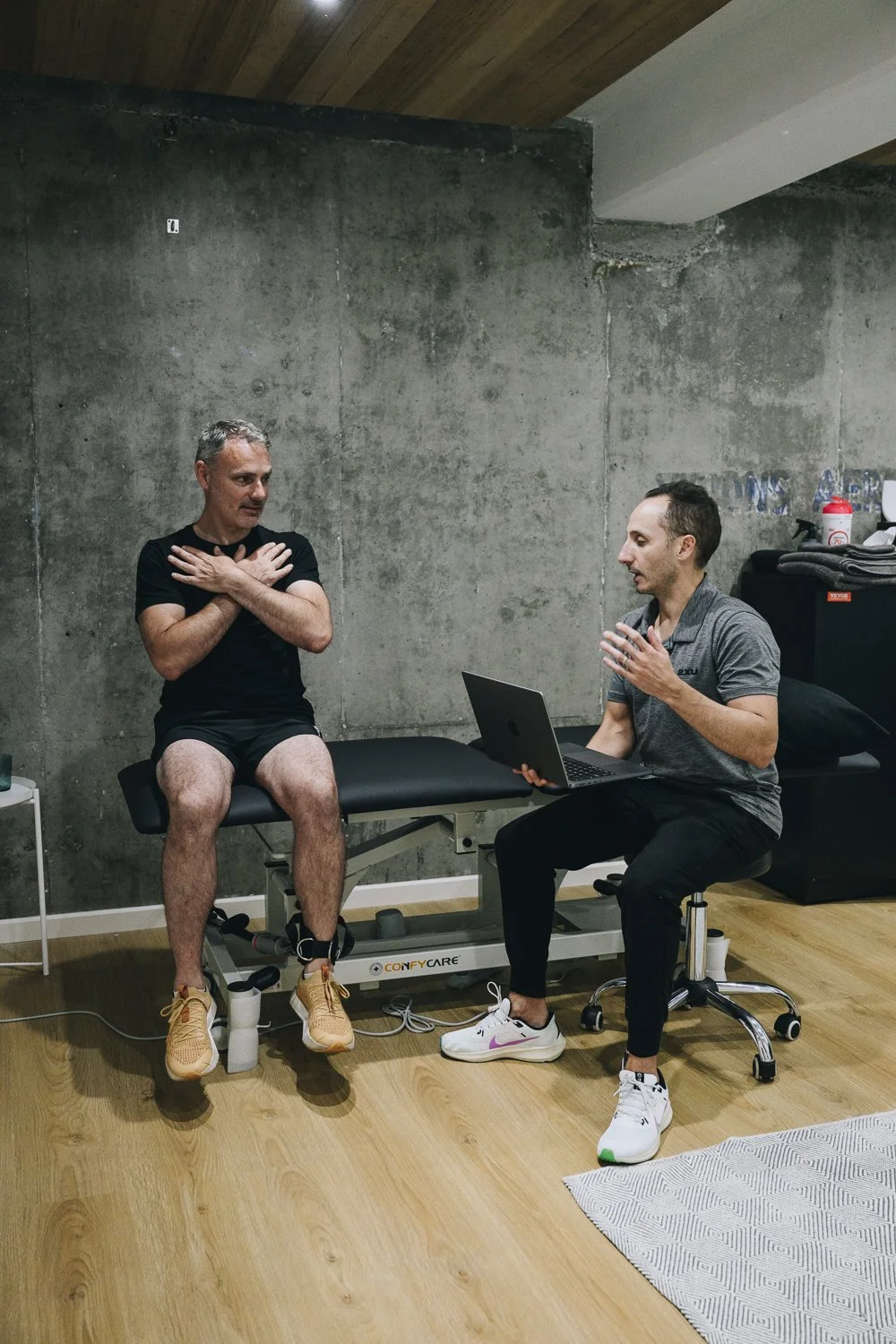
Take it from the in-house physios at Hawthorn’s best gym - adopting the right habits can keep you training consistently for decades.
The Secrets to Long-Term Progress
I’ve been a physio and a member at Hawthorn’s best gym (yes…I’m talking about Visions) for over a decade. Whether it’s the regulars I see in Visions or the athletes I’ve worked with as a physio, there are some secrets to success that rise to the top time and time again.
A lot of people think progress in the gym comes down to effort. And yes, effort does matter. But people who manage to train consistently for years - whether they do their own gym training partake in group classes or even train with a coach - usually share something else in common: they train smart and understand their body.
Injury setbacks often happen when small training habits are overlooked, something we see everywhere, including at Visions Fitness Centre.
The good news? Most of these habits are simple enough to adopt - especially with the right guidance, coaching, and access to physiotherapy in the gym.
Here are 6 principles we regularly focus on with members who want to stay active and minimise injury interruptions:
1. Learn the Movement Before Loading It Up
Adding weight too quickly is one of the most common reasons people develop pain during training.
This is particularly the case for big compound movements, like squats, deadlifts, and presses which require coordination across multiple joints.
So before increasing weight, it helps to make sure:
Your technique feels stable and controlled
The right muscles are doing the work
You can repeat the movement consistently
This is where the benefits of having a physiotherapist in a quality commercial gym really start to come into their own. Both my team at Technologic Physio, along with the expert coaching staff at Visions, are here to guide you through the right progression steps to lead you safely into the next stages of your fitness routine. We can help keep it interesting, challenging, safe and on-track.
Tip: Utilising the gym’s mirrors, your phone or even a trainer walking by is a great way to routinely check your form. Taking note of your technique and connecting your brain to your muscle movements is a vital skill in the gym.

2. Warm-Ups Should Prepare Your Body (Not Just Your Heart Rate)
We’ve all walked up the stairs at Visions running 15 minutes late and decided to skip the warm-up or do ‘five quick reps’ and calling that sufficient.
But honestly, we really shouldn’t. A study last year from Edith Cowan University researched the impact on warming up muscles - literally. The research revealed that for every degree a muscle increased in temperature, performance improved by 3.5%!
But a warm-up is more than just getting hotter and sweatier - it prepares your nervous system, joints and tissues, and most importantly, it has consistently been shown to reduce the risk injury. There’s hundreds of scientific studies into this, but maybe the best example is in elite sport. Would professional athletes waste time on warming up if it wasn’t worth it? Think of the money, time and effort that goes into elite athlete performance and injury prevention - and then reflect on how much effort each athlete puts into a well-rounded warm up. That’s not a coincidence. Need more convincing? Tap Brooke on the shoulder next time you see her and ask about her days as a Commonwealth Games sprinter.
A simple 5-10 minute routine might include:
Hip mobility work
Glute activation
Shoulder stability exercises
Gentle spinal mobility
Light balance work
Getting a free program with one of the Visions team, or even jumping into a group class are perfect ways to get tips on how to warm up the right parts of your body safely and effectively so you can have a solid, injury-free session - and perform better!
3. Balance Your Training
ALL of us are guilty of targeting our favourite exercises and avoiding the more uncomfortable or less satisfying ones. But we risk tilting the scales the wrong direction if we don’t encourage the right diversity and breadth of movement patterns in the gym.
For example, it’s easy (and common) for people to over-focus on pushing exercises like:
Bench press
Shoulder press
Push-ups
But balanced training should also include pulling movements - like rows and pull-downs.
Why? Because these posterior, ‘back’ exercises help support:
Shoulder health
Posture
Joint balance
People rarely complain about niggles in their pectorals or their lower abs, but knots between your shoulder blades or an aching lower back? All the time. So why don’t we spend more time nurturing all those glorious and important back muscles?! Just because you can’t see your back, don’t skip it!
This is just one example. In both open gym training and structured group classes, a balanced program is key to staying injury-free. Whether it’s a session with the Technologic team, or a free program with a Visions qualified trainer, it’s never a bad idea to utilise some guidance to balance your workout and help you stay injury free!
4. Progress Gradually
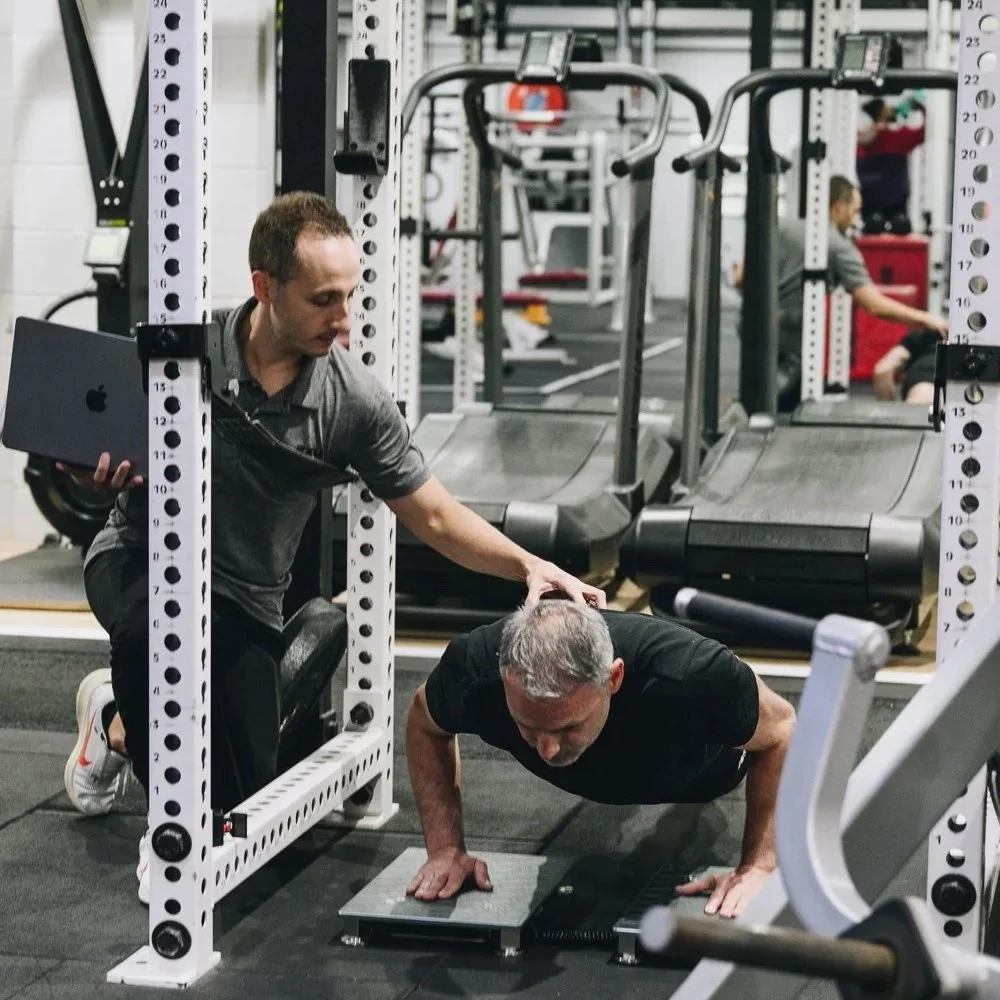
Whether it’s growth, speed, power or flexibility - your muscles, tendons, and joints adapt as you train. But they need time to do it.
If not executed carefully, sudden increases in:
Training volume
Intensity
Frequency
…can all increase the likelihood of overload.
That’s why gradual progression is something our coaches and physiotherapy teams emphasise at Visions.
Back in Feb, Visions wrote a great blog on how often you should change your gym routine. Give it a read.
In the end, incremental, consistent increases lead to safer, long-term progress.
5. Recovery Is Part of Training
We all know it, but somehow it’s still an easy one to forget. Progress doesn’t just happen in the gym - it also happens during recovery.
Thankfully, there’s more and more publicly available information about the various ways we can increase our gym results by doing the right things outside of the gym. Key recovery habits include:
Getting enough sleep
Eating adequate protein and nutrients
Taking rest days when needed
Including lighter training weeks
Recovery is what keeps your body resilient - invest in it and reap the rewards.
6. Listen to Early Warning Signs
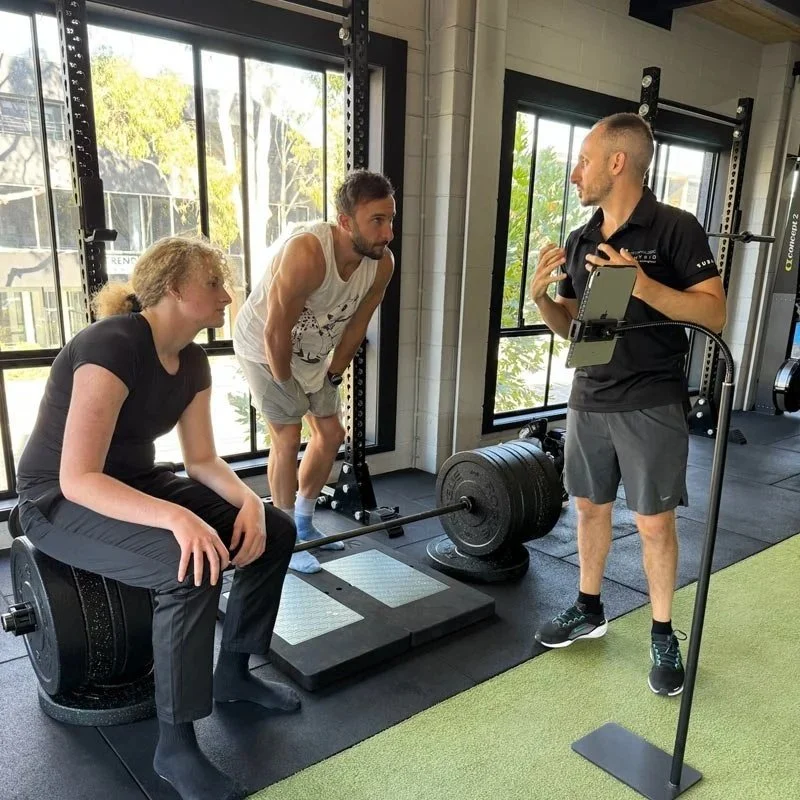
Pain doesn’t always mean injury - but it is feedback. Always take note of the feedback your body is offering. It helps to paint a picture of what’s going on (and sometimes you might need the help of a physiotherapist to interpret it).
Pay attention to:
Pain that changes how you move
Symptoms lasting more than a few days
Swelling after training
Unexpected strength loss
This is where physiotherapy in the gym becomes especially valuable.
At Hawthorn’s best gym, getting early advice from a Technologic physio member can help address small issues before they become bigger problems. This can be what allows you to continue in the gym with an adapted program that keeps you on-track.
Listen to your body, don’t ignore the signs and don’t let a small problem become a much bigger issue.

Want a Free Guide to Training Smarter?
We’ve created a free guide for our Hawthorn gym members that goes even further, covering:
Common gym injuries
Early warning signs
Practical strategies to stay on track
📥 Download it here:
https://www.technologicphysio.com.au/pages/physio-at-visions
Need Help With Pain or Injury?
If something doesn’t feel right, a physiotherapy assessment can help identify the issue and guide your training.
Our physiotherapy in the gym at Hawthorn makes it easy to get expert advice without interrupting your routine.
👉 Book here:
https://technologic-physio.au2.cliniko.com/bookings#service
Free Movement Checks for Members
Visions members can also access quick movement & training checks at no additional cost.
10-minute physio movement screens
Identify performance issues and injury risks
Ideal when starting a new program or returning to training
Limited spots available - reserve your session today:
https://tidycal.com/technologicphysio/movement-and-training-health-checks-for-visions-members
Disclaimer:
The information in this article is general information only and does not replace individual medical advice.